From Ancient Clay to Digital Art: The Enduring Legacy of Greek Vases and Pottery
When you think of ancient Greece, the mind often drifts toward marble statues or grand temples. However, a closer look reveals a vibrant world captured in clay and fire. Greek vases and pots are not merely utilitarian containers; they are historical documents, artistic masterpieces, and cultural symbols that have transcended millennia. Today, these iconic forms continue to inspire creativity, appearing in modern educational materials, digital design, and decorative arts through cartoon designs and flat vector illustrations.
This article explores the fascinating journey of Greek pottery, from its practical origins as storage vessels to its current status as a beloved subject of stylized digital art. We will examine the different types of vessels, their significance in daily life, and how contemporary designers reinterpret these ancient forms.
Understanding the Basics: What Were These Vessels?
To appreciate the beauty of an ornate amphora or a delicate oil jar, one must first understand its function. In ancient Greece, pottery was ubiquitous. It was the primary method for storing and transporting essential goods like olive oil, wine, grain, and water. Unlike modern plastic or glass, clay was durable, heat-resistant, and readily available.
However, the Greeks elevated this necessity into an art form. They did not simply make boxes for liquid; they created canvases for storytelling. The surface of a pottery object became a medium for depicting myths, battles, religious rituals, and scenes of everyday life. This transformation turned functional items into valuable historical records.
- Utility: The primary purpose was storage and transport.
- Aesthetics: Artists used black-figure and red-figure techniques to paint intricate narratives.
- Social Status: Highly decorated urns and jugs were often used in symposiums (drinking parties) or as grave markers.
A Tour of Iconic Shapes: Amphorae, Jugs, and Urns
One of the most common misconceptions about Greek pottery is that all jars look the same. In reality, the shape of the vessel dictated its specific use. Understanding these distinctions helps us appreciate the engineering and design intelligence of the ancients.
The Amphora: The Workhorse of Antiquity
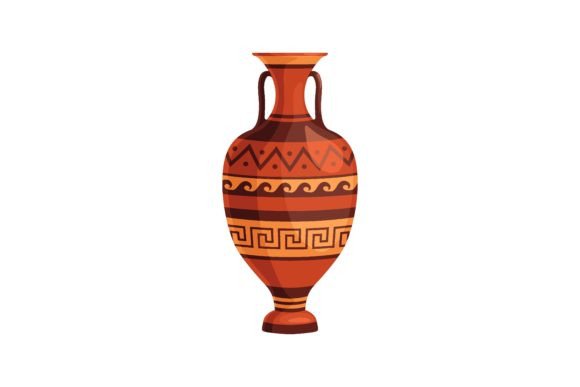
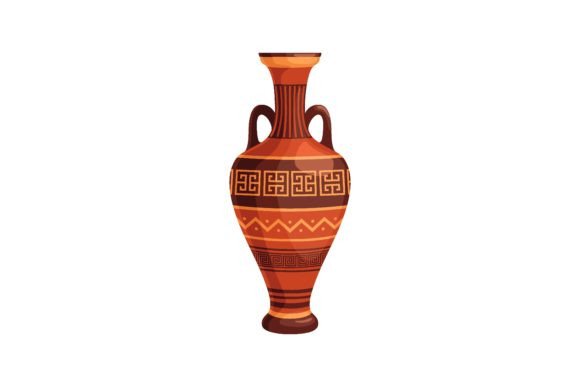
The Greek amphora is perhaps the most recognizable shape. Characterized by two handles extending from the neck to the shoulder, it was designed for stability and ease of carrying. Large amphorae were used for bulk storage of wine or oil, while smaller versions served as personal drinking vessels or funeral urns. Its sturdy build made it ideal for sea travel, ensuring that precious cargo arrived intact.
Jugs and Oinochoe: The Pourer
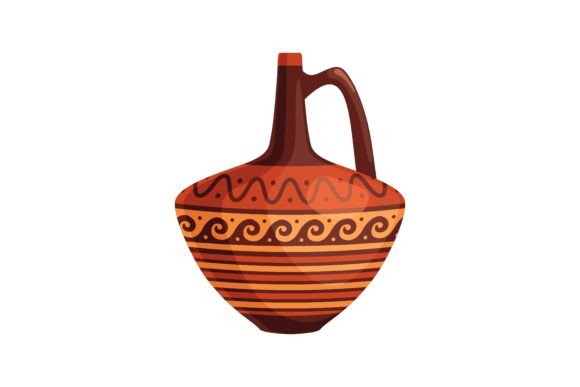
If the amphora was for storage, the jug (often called an oinochoe) was for serving. These vessels typically featured a single handle and a spout designed to control the flow of liquid. The decorative ornate details on jugs were often more elaborate, reflecting the social importance of pouring wine during banquets. The curve of the spout was carefully calculated to prevent dripping, showcasing a blend of form and function.
Urns and Kraters: Ceremonial Roles
Urns held deep spiritual significance, often used to house the ashes of the deceased or to hold offerings for the gods. Similarly, kraters were large mixing bowls used to dilute wine with water before serving. These objects were frequently adorned with complex mythological scenes, serving as a visual reminder of the connection between the mortal and divine worlds.
The Evolution of Style: From Ornate to Cartoon Design
While authentic ancient pottery is prized for its historical accuracy and intricate hand-painted details, the modern world has found new ways to engage with these shapes. The transition from decorative ornate Greece amphorae to cartoon design represents a fascinating shift in how we consume history.
In the past, an ornate vase might feature hundreds of tiny figures painted in black slip against a red clay background. Today, designers often simplify these forms into flat vector illustrations. This style strips away the texture of the clay and the complexity of the glaze, focusing instead on the silhouette and the essential elements of the design.
Why has this shift occurred? The answer lies in modern communication. In the digital age, information must be conveyed quickly and clearly. A flat vector illustration of a Greek vase can instantly communicate concepts related to history, culture, or education without requiring the viewer to decipher fine brushstrokes. This simplification makes the subject matter accessible to children, students, and casual observers alike.
Modern Applications: How Ancient Pottery Fits Into Today's World
You might wonder, "What relevance do ancient oil jars have in our high-tech world?" Surprisingly, the influence is pervasive. The shapes and motifs of Greek pottery have been integrated into various sectors, from business branding to educational technology.
Education and Learning
In classrooms, teachers use cartoon design versions of Greek vases to teach history. Instead of showing a blurry photograph of a cracked artifact, educators present a clean, colorful flat vector illustration. This approach helps students focus on the narrative depicted on the vase rather than the damage caused by time. For example, a simplified image of an amphora can be used to explain trade routes, while a cartoon-style jug can illustrate the customs of the symposium.
Creativity and Digital Art
For graphic designers, the Greek vases and pot offer endless inspiration. The geometric patterns and bold outlines of ancient pottery translate perfectly into flat design principles. Many modern logos, app icons, and website graphics utilize the silhouette of an urn or amphora to evoke themes of wisdom, heritage, or classicism. The decorative ornate nature of the original designs provides a rich source of motifs that can be abstracted into minimalistic shapes.
Interior Design and Decor
In the realm of home decor, the aesthetic of Greek pottery remains popular. While few people own authentic artifacts, reproductions and inspired designs are common. Modern manufacturers create ceramic pieces that mimic the shape of an oil jar but with contemporary colors and finishes. These items serve as conversation starters, bridging the gap between ancient history and modern living spaces.
Clarifying Misunderstandings About Greek Pottery
Despite their popularity, several myths surround Greek pottery. Let us clarify some common assumptions to ensure a clearer understanding.
- Myth: All Greek pottery was black.
Reality: While the famous "black-figure" technique is well-known, Greek potters also utilized the "red-figure" technique, where the background is black and the figures remain the natural red color of the clay. Furthermore, many vessels were left unglazed or painted with white slips. - Myth: These were only for the wealthy.
Reality: While the most elaborate ornate pieces were indeed luxury items, basic pots and jugs were used by every class of society. Every household needed vessels for cooking, eating, and storage. - Myth: The designs were random.
Reality: The imagery on Greek vases was highly structured. Scenes were chosen to reflect specific cultural values, religious beliefs, or social norms. There was rarely a "random" decoration; every figure had a purpose.
The Future of Ancient Forms in a Digital Age
As we move further into the 21st century, the intersection of history and technology continues to grow. Flat vector illustrations of Greek pottery are becoming increasingly popular in web design, mobile applications, and even virtual reality experiences. These digital renditions allow users to interact with history in new ways. Imagine a museum exhibit where you can rotate a 3D model of an amphora and zoom in on the cartoon design details to learn about the story being told.
The enduring appeal of the Greek vases and pot lies in their versatility. They are simultaneously functional tools, artistic expressions, and cultural icons. Whether viewed as a dusty artifact in a museum or a vibrant icon in a digital textbook, they remind us of the ingenuity of the human spirit.
Conclusion
From the sturdy amphorae used to ship wine across the Mediterranean to the decorative ornate urns placed in tombs, Greek pottery tells the story of a civilization that valued both utility and beauty. Today, this legacy lives on through cartoon designs and flat vector illustrations that make ancient history accessible to everyone.
Whether you are a student learning about the past, a designer seeking inspiration, or simply someone who appreciates the elegance of a well-crafted shape, the world of Greek vases offers a wealth of knowledge. By understanding the purpose, significance, and evolution of these pottery objects, we gain a deeper appreciation for the timeless artistry of ancient Greece.
Next time you see an image of a Greek jug or a stylized oil jar, remember that you are looking at more than just a drawing or a broken piece of clay. You are seeing a window into the daily lives, beliefs, and creative genius of one of the world's greatest civilizations.